Uncover the Crucial Services Provided by a Professional Arborist for Optimal Tree Health
A professional arborist delivers a variety of services vital for keeping trees healthy and beautifying outdoor spaces. Their expertise in tree pruning stimulates development and mitigates hazards. They also assess and handle tree diseases, guaranteeing customized treatment plans are in place - Florence Arborist. Additionally, arborists handle safe tree removals and help with planting and transplanting. Their role is even more vital during emergencies such as storm damage. Understanding these services can greatly impact one’s approach to tree care
The Significance of Tree Pruning
Although many homeowners may overlook the necessity of tree pruning, it plays an essential role in maintaining the health and aesthetics of trees. Proper pruning helps trees develop a robust structure, taking away dead or sick branches that could present dangers. By carefully cutting branches, the tree can focus its energy on healthy growth, promoting better air circulation and sunlight penetration. Additionally, pruning can improve the look of the tree, contouring it for attractiveness in residential landscapes.
Moreover, regular pruning can avert future risks, such as falling branches during storms or high winds, which could harm property or hurt people. It also aids in the prevention of insect problems and diseases by enhancing the tree's hardiness. Ultimately, hiring professional arborists for tree pruning ensures trees stay healthy, safe, and attractive, adding significantly to the overall beauty and value of the property.
Assessing and Handling Tree Diseases
Tree health can be considerably affected by various diseases that may not always be readily apparent. A professional arborist is crucial in identifying these issues promptly, utilizing a combination of visual inspections and diagnostic tools. Symptoms such as discolored leaves, wilting, or abnormal growth habits often indicate hidden health problems. Arborists assess these symptoms to determine exact ailments, whether fungal, bacterial, or viral in nature.
When the problem is identified, the professional designs a bespoke care program. This may include targeted treatments, such as fungicides or bactericides, and cultural practices that improve the tree's strength. Additionally, proper watering, the application of mulch, and feeding can significantly boost the vitality of the tree and ability to fight off illness. Consistent observation and subsequent care are essential for successful control, guaranteeing the lifespan and vigor of the trees. When dealing with tree diseases promptly, tree specialists ensure the environmental value and aesthetic appeal of thriving trees.
Best Practices for Tree Felling
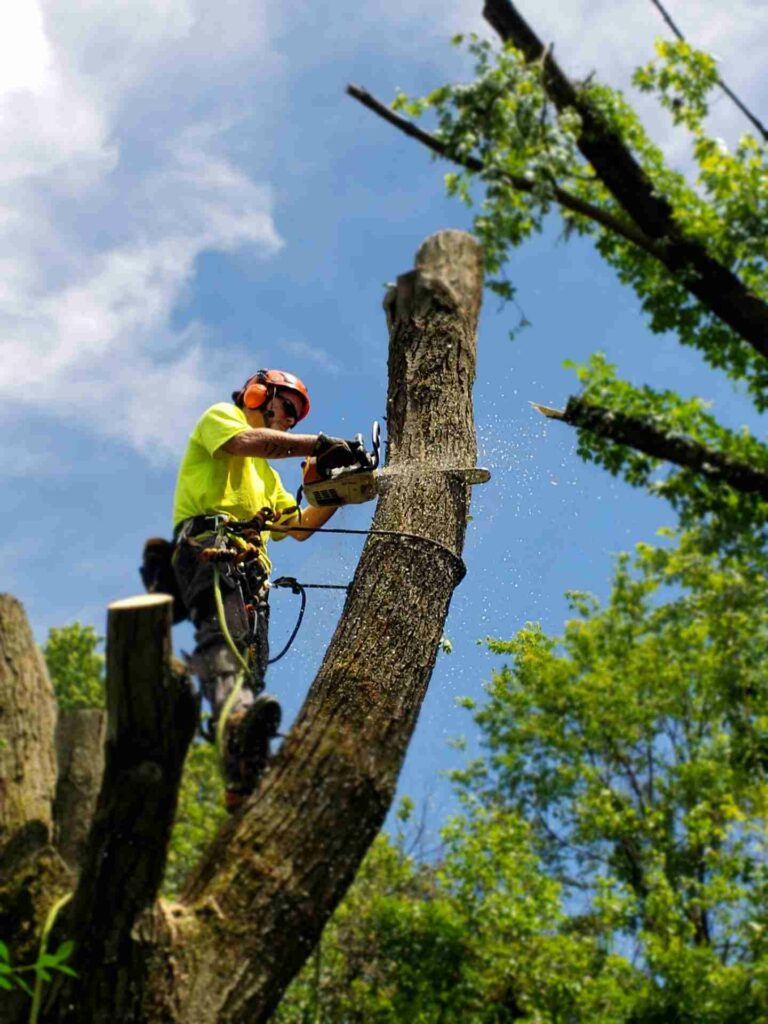
Safe tree extraction techniques are necessary to ensure the safety of the crew and limiting harm to nearby structures. Expert tree specialists conduct a detailed analysis of the state of the tree, where it is situated, and the immediate vicinity before beginning the felling process. They utilize specialized equipment, such as rigging equipment and chainsaws, to guarantee precise cuts and control during the felling process.
A carefully designed extraction plan involves spotting possible dangers, such as nearby buildings or utility lines, which can impact the safety of the operation. Professionals commonly utilize the process called "sectional dismantling," where the tree is cut down in smaller segments, reducing the risk of falling debris.
Moreover, professionals comply with municipal guidelines to guarantee compliance and environmental stewardship. Once the tree is down, thorough clearing and removal of the tree debris, including stump grinding, contribute to the overall safety and look of the landscape.
Planting and Transplanting Trees
The process of tree documentation establishment demands close attention of site selection and installation methods to guarantee long-term health and successful establishment. The right location can greatly impact a tree's development, and correct installation techniques minimize stress and promote successful establishment. Tree specialists highlight these elements as critical for improving the strength and endurance of trees in all environments.
Selecting an Appropriate Site
Choosing the right location for planting or transplanting trees is vital for their long-term health and growth. Considerations including soil quality, the amount of sun, and water flow needs careful consideration. Tree care professionals evaluate the location's features, ensuring that the chosen spot provides adequate nutrients and support for the tree species. In addition, the nearness to established constructions and surrounding flora is critical to avoid resource contention and steer clear of future injury. Arborists also consider the tree’s maximum height and width and underground network, making sure there is ample room to expand. By conducting a thorough site analysis, these professionals assist customers choose wisely that foster robust, flourishing trees, thereby improving the landscape’s beauty and environmental worth.
Ideal Planting Techniques
Once the site has been carefully assessed and selected, the subsequent phase requires applying the best tree installation practices. Proper preparation of the planting hole is vital; it should be double the diameter of the root system and the same depth as the root ball. The tree should be placed in the hole so that the upper surface of the roots aligns with the adjacent ground. Refill using the original dirt, making sure to eliminate air gaps, and water thoroughly to encourage early root growth. Mulching around the base aids in water retention and inhibit unwanted growth. Florence Arborist. If moving mature plants, care must be taken to reduce root trauma and move the tree while it is inactive for the highest rate of success. Following these techniques fosters healthy growth and long life
Arborist Action Following Severe Weather
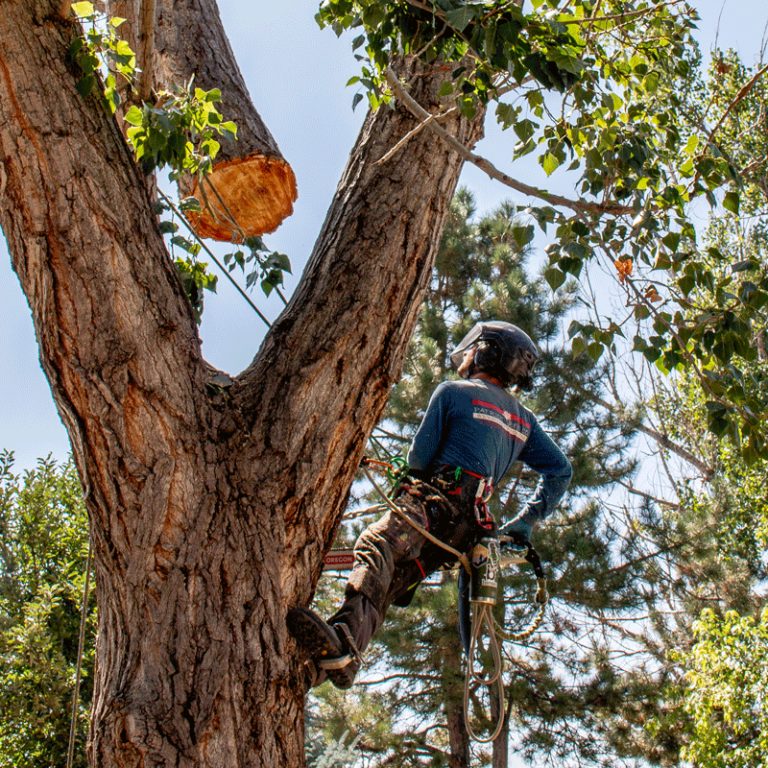
When major tempests hit, the aftermath can leave trees in perilous conditions, creating threats to buildings and people. Professional arborists play a vital role in immediate action, evaluating storm-damaged trees to check how safe and healthy they are. Their expertise allows them to identify which trees are recoverable and which present immediate dangers that need to be taken down.
Using professional equipment, arborists can safely prune broken branches and haul away refuse, preventing subsequent injury to nearby locations. They also provide valuable advice on preventive measures, such as choosing sturdy types of trees for upcoming installations.
Apart from the initial cleanup, arborists help homeowners understand the possible lasting consequences of the storm, offering guidance on recovery and rehabilitation. Through quick and effective action, these experts do more than just secure homes but also help in the renewal of the local environment once the tempest has passed.
Nutritional Support and Soil Management
After the devastation caused by storm damage, focus shifts to the well-being of the trees that remain, emphasizing the necessity of nutrient assistance and soil management. A professional arborist checks ground quality and tree health to determine exact dietary needs. Trees require essential nutrients, like nitrogen, phosphorus, and potassium, to bounce back and flourish post-stress incidents.
Ground care plays an essential role in nutrient availability and root development. Arborists may recommend soil amendments, like organic matter, to improve soil structure and microbial activity. The correct pH balance are also checked, as they influence nutrient uptake.
Incorporating mulching techniques can improve moisture retention and prevent weed growth, fostering a perfect setting for the tree's recuperation. With a detailed feeding regimen and implementing effective soil management strategies, arborists guarantee trees recover their vigor, resilience, and overall health, which is critical for maintaining a balanced ecosystem following environmental disturbances.
Questions and Answers
How Often Should I Have My Trees Inspected?
Trees should ideally be inspected once a year for maximum vitality. Yet, checking them more often may be necessary for younger trees, post-major weather incidents, or if they show signs of stress or sickness.
What Qualifications Should I Look for in an Arborist?
When seeking an arborist, one should look for credentials like ISA (International Society of Arboriculture) accreditation, applicable work history, insurance coverage, and a good standing within the community, ensuring expertise in arboriculture and safety practices.
Do Arborists Utilize Special Equipment for Tree Care?
Arborists utilize various specialized tools for tree care, such as chainsaws, pruning shears, climbing gear, and stump grinders. Each tool serves a specific purpose, ensuring effective maintenance, pruning, and removal of trees while promoting overall health and safety.
How Do Weather Conditions Affect Tree Health?
Weather conditions greatly impact tree health; too much water often causes root rot, while dry spells put strain on trees. Harsh weather conditions may cause damage to leaves and branches, consequently impacting growth, sturdiness, and total vitality of the trees.
Am I able to care for my trees personally, or Should I Hire a Professional?
Although certain simple tree maintenance jobs can be performed by individuals, it is usually recommended to hire an expert - Florence Arborist. Trained individuals carry specialized equipment and knowledge, which guarantees the trees get the right maintenance needed for optimal development and health